Door Nina Leatemia Wat eerst een schimmige parkeergarage in de Bijlmer was, is omgetoverd tot een overdekte eetbazaar waar je binnenkort van ’s ochtends vroeg tot ’s avonds laat kunt eten. En voor een leuk prijsje! Tientallen culinaire ondernemers uit Amsterdam Zuidoost bieden bij verschillende stands hun gerechten aan. Deze gerechten zijn uit veel uiteenlopende landen en culturen afkomstig, en dat maakt World of Food dan ook een bijzonder (lekker) concept.
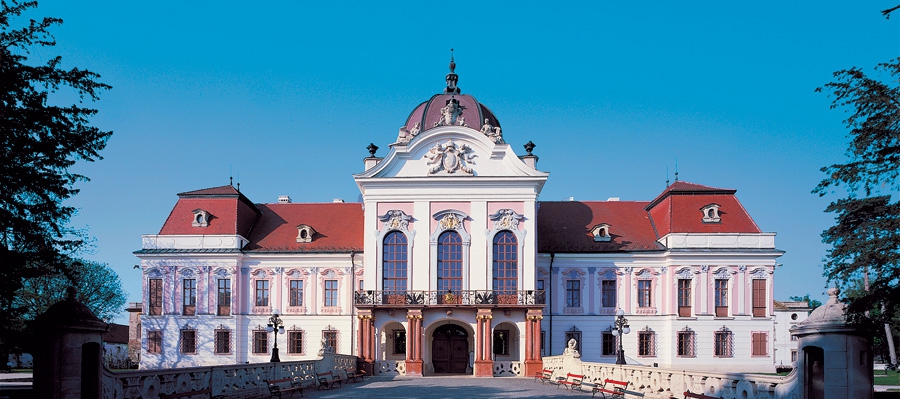
Around ten years ago I took some Chinese friends to the former royal castle in Gödöllö, near Budapest. We came upon a photo studio where you could dress up in costume from Queen Sisi’s era. My friends’ daughter, then around ten, donned the garb of a noble young lady; I dressed up as her governess. The photo was a hit, and recently it got into the hands of my three-year-old son. He wanted one too. The castle’s website informed us that the studio was still there. Off we went with my wife and my son.
Door Rhoda Woets De meeste antropologen zijn bekend met Arjun Appudurai’s idee dat objecten, net als mensen, een sociaal leven hebben of, in Igor Kopytoff’s woorden, ‘een culturele biografie’. Dit idee impliceert dat objecten geboren…
Door Mayke de Cock Donderdagnacht, 9 juli 2014, 01.00: ik baal als een stekker. Het Nederlands elftal ligt uit het wereldkampioenschap voetbal. Met een aantal in het oranje gekleurde vrienden zitten we in mijn oranje gekleurde woonkamer, allemaal kijken we verslagen voor ons uit. Wat een fantastische avond had kunnen worden, eindigt in een enorme domper. Mijn huisgenoot, een niet-moslima die de hele Ramadan vast, dwingt mij nog een kop soep naar binnen te werken. Om 03.00 de wekker zetten om nog wat te eten en te drinken zien we allebei niet zitten. Met heel veel tegenzin werk ik de soep naar binnen en sla ik nog een aantal glazen water achterover. Een flesje water zet ik naast mijn bed. Als ik voor 03.00 nog wakker ben, kan ik hier nog wat van drinken. Ik vind het onzin, want ’s avonds en ’s nachts veel water drinken staat garant voor een groot aantal toiletbezoeken gedurende de nacht. Maar volgens mijn huisgenoot zal ik haar de volgende dag dankbaar zijn, dus doe ik braaf wat ze zegt. De reden voor dit alles: ik zou op 10 juli een dag meevasten met degenen die aan de ramadan deelnemen.
door Rick de Vroede Bij Strand West in Amsterdam wordt elke zoveelste zondag van de maand een Braziliaans feest gehouden. Om die reden zendt Strand West al gedurende het hele WK alle wedstrijden uit van Brazilië. Elke wedstrijd is er dan een groot contingent Braziliaanse supporters dat zich verzameld om op de twee schermen de wedstrijd te volgen onder het genot van een Caipirinha, een Guaraná of een gewoon Nederlands biertje. Op uitnodiging van Henno een Nederlandse man die getrouwd is met een Braziliaanse en dientengevolge trouwe supporter van Brazilië is geworden, ben ik hier op dinsdag 8 juli om de wedstrijd te kijken.
Slavernijverleden is omvangrijker dan alleen monumenten en herdenkingen
AMSTERDAM – In de afgelopen twintig jaar heeft het Nederlandse slavernijverleden steeds meer aandacht gekregen in de vorm van monumenten, bij herdenkingen, en in musea. Minder bekend is de rol van het slavernijverleden in het leven van alledag. Uit het promotieonderzoek van Markus Balkenhol blijkt echter dat het slavernijverleden ook in het alledaagse leven van veel mensen in Nederland een belangrijke rol speelt. Dit onderzoek zal Balkenhol op 16 mei a.s. aan de Vrije Universiteit Amsterdam verdedigen.
.
Nieuwe inzichten door etnografisch onderzoek
Balkenhol onderzocht deze alledaagse manieren van omgaan met het slavernijverleden door meer dan een jaar etnografisch veldwerk te doen in Amsterdam Zuidoost. Hij woonde bij verschillende mensen thuis en was dagelijks op pad met politici, muzikanten, moeders en andere bewoners van Zuidoost. Hij richtte zich in zijn onderzoek op de manier waarop het slavernijverleden doorwerkte in het dagelijkse leven van mensen in Amsterdam Zuidoost. Dit onderzoek leverde drie deelconclusies op.
Door Rhoda Woets Beste minister-president van Nederland, Obama was onderweg naar de nucleaire top in Den Haag toen u voor de internationale pers zowaar een bom liet ontploffen. U beweerde -met een voor u vertrouwde grijns…
Door Oscar Salemink Toen Nelson Mandela op 5 december 2013 overleed, was dat meer dan voorpaginanieuws. Het was een schok voor de hele wereld. Vooral politici waren er als de kippen bij om zich te koesteren in het charisma van Mandela. De president van het machtigste land ter wereld – die leiding geeft aan een wereldwijd afluisterprogramma en met de resultaten mensen (“terroristen”) volautomatisch vanuit de lucht laat afschieten– verklaarde het voorbeeld van Mandela te willen volgen, namelijk “to make decisions guided not by hate, but by love, to never discount the difference that one person can make, to strive for a future that is worthy of his sacrifice.” Een voormalige premier van Nederland –die politiek verantwoordelijk was voor de grootste massaslachting op Europees grondgebied na de Tweede Wereldoorlog maar nooit verantwoording daarvoor heeft afgelegd, en die na zijn premierschap heeft gegrossierd in lucratieve commissariaten van diverse al dan niet onder zijn bewind geprivatiseerde staatsbedrijven– vertelde de media dat hij had gehuild toen Mandela werd vrijgelaten. Iedereen koestert hem of was een vriend en bewonderaar van wijlen Mandela, die echter tijdens zijn gevangenschap door vele westerse politici voor terrorist werd versleten als leider van de gewapende arm van de ANC.
Hallo, ik ben Najat en recent afgestudeerd in Sociale en Culturele Antropologie aan de Vrije Universiteit in Amsterdam. Het afgelopen studiejaar heb ik in het kader van de Arabische lente onderzoek gedaan naar de Marokkaanse 20 februari beweging in Rabat. Ik startte mijn reis met een degelijk onderzoeksplan over hoe activisten van deze sociale beweging (on)veiligheid en mondiale invloeden ervaren. Bij het bestuderen van alle artikelen, boeken en YouTube filmpjes dacht ik al snel in politieke termen en beeldde ik me jongeren in die op deze wijze actief bijdroegen aan verandering. Het tegendeel bleek waar te zijn. Tijdens het eerste gesprek met mijn sleutelinformant Youness, worden mijn politieke statements al snel van tafel geveegd; ‘wij hebben geen vertrouwen in het systeem en niet alles wat wij doen is politiek gerelateerd, verandering moet van onderop komen en dat kan ook via kunst.’ Hij legt uit dat artistieke initiatieven mensen in hun eigen omgeving op ludieke wijze aan het denken kunnen zetten. Ik was erg verrast door zijn antwoord: hoezo artistiek?
This website uses cookies to improve your experience. We'll assume you're ok with this, but you can opt-out if you wish. Cookie settingsACCEPT
Privacy & Cookies Policy
Privacy Overview
This website uses cookies to improve your experience while you navigate through the website. Out of these cookies, the cookies that are categorized as necessary are stored on your browser as they are essential for the working of basic functionalities of the website. We also use third-party cookies that help us analyze and understand how you use this website. These cookies will be stored in your browser only with your consent. You also have the option to opt-out of these cookies. But opting out of some of these cookies may have an effect on your browsing experience.
Necessary cookies are absolutely essential for the website to function properly. This category only includes cookies that ensures basic functionalities and security features of the website. These cookies do not store any personal information.
Any cookies that may not be particularly necessary for the website to function and is used specifically to collect user personal data via analytics, ads, other embedded contents are termed as non-necessary cookies. It is mandatory to procure user consent prior to running these cookies on your website.