Skip to content

Category: Populaire cultuur

Hazes is ook erfgoed

door Annemarie de Wildt

Een oratie die aantoont hoe we van alles erfgoed maken: de redding van het Thaise jeugdelftal, de monsterzwemtocht van Maarten van der Weijden en de BVO-tjes (Biertje Voor Onderweg) van André Hazes, daar gaat mijn museale hart van open. Irene Stengs aanvaardde met een zeer inspirerend verhaal het ambt van bijzonder hoogleraar Antropologie van Ritueel en Populaire Cultuur aan de Vrije Universiteit. Ze eindigde haar oratie met de hoop op een mooie samenwerking met Amsterdam Museum, Tropenmuseum en het Catharijne Convent. En vervolgens speelde de organist ‘Zij gelooft in mij’. Dat ik dat nog mocht meemaken op ‘mijn’ VU.

Leave a Comment

Living with the End

Black Hole sunBy Peter Versteeg          Recently Chris Cornell, singer of the bands Soundgarden and Audio-slave, died. Soundgarden is probably best known for their early nineties song ‘Black Hole Sun’, which is the invocation of a sort of natural disaster that will swallow everything ugly and false. It is a cry to be released from a depression that is caused by an awareness that life has become hollow and that the earth has been delivered into the hands of frauds, crooks, and idiots. Cornell took his own life. Announcing his tragic death, news shows showed exactly this song as he played it during the last earthly gig he ever played. It is not difficult to feel its ominousness.

5 Comments

Some thoughts on film in ethnography

favelafunk
Still from ‘Inside the Mind of Favela Funk’

By Ina Keuper     On 7 December the Department of Social and Cultural Anthropology organized its second Ethnographic Film Day, which featured four rather different ethnographic documentaries. Former staff member Ina Keuper was there and shares some thoughts on Standplaats Wereld about these particular films and the role of this visual medium in anthropology.

Leave a Comment

Rennen voor Erdoǧan, Gülen of Atatürk? De politisering van de Istanbul Marathon 2016

istanbulcontestDoor Heleen van der Linden    

Sport verbindt. Toch? Ook als het aan de Nederlandse politiek ligt klopt dat cliché als een bus. “Sport ver-broedert, het schept een gevoel van saam-horigheid en zorgt voor ‘teamspirit’ en onder-ling respect.” Het bevordert niet alleen de gezondheid van mensen, maar ook participatie en sociale samenhang, aldus een citaat en parafrase uit een willekeurig lokaal PvdA-programma. De maatschappelijke ‘opbouwgedachte’ is niet ver te zoeken. Ook de KNVB, de Koninklijke Nederlandse Voetbalbond, stelt in een onderzoek: “Voetbal is het grootste sociale netwerk van ons land. Het draagt bij aan de maatschappelijke thema’s vorming, gezondheid en verbinding.” Volgens sommige deskundigen heeft sport in de hedendaagse wereld zelfs de sociale functie van kerk of religie overgenomen.

Toch denken diverse sportsociologen (en ook anderen) in binnen- en buitenland daar anders over. In veel gevallen is dat wat mij betreft terecht. Sport neemt wellicht in bepaalde gevallen de functie van religie als ‘sociaal cement’ over, maar soms ook haar functie als ‘splijtzwam’. En vaak zijn grenzen tussen de domeinen sport en politiek zelfs totaal zoek. Zelf was ik getuige van de manier waarop de Istanbul Marathon ‘gekaapt’ werd door de politiek en op maatschappelijk niveau voor sommigen een polariserend evenement werd.

1 Comment

7 December: VU Amsterdam Ethnographic Film Day

aefd_bannerWhat is the value of film as medium for ethnographic fieldwork? With which dilemmas are film-making anthropologists confronted? What is the relationship between visual methods and other methods? What do visual methods contribute to research?

The Department of Social and Cultural Anthropology of the Vrije Universiteit, Amsterdam presents the Amsterdam Ethnographic Film Day during which we will screen ethnographic films and discuss the various theories and methods of visual anthropology. We aim to provide a platform for anthropologists and documentary makers engaging in visual anthropology to show their films and communicate their experiences with, and thoughts on, ethnographic film-making. For more information, visit our Facebook page or website.

3 Comments

Squeezing one year of fieldwork in New Zealand in three months

Photo: A. Martineau

By Vivian Mac Gillavry            During the first year of my Bachelor study in anthropology, we were told that the best field research should take at least a year. You might just find out that the two days in which you can collect very relevant information, are in July and in January. It might be obvious that you would not like to miss those days. Unfortunately we only get three months to collect all our data for our master thesis.

1 Comment

Glocalising Social Media

Image: UCL Press
Image: UCL Press

By Jordi Bok            As anthropologist Daniel Miller takes place behind the microphone to start his lecture, a whistle blows through the lecture room. It is not a starting signal, but the noise of a WhatsApp-notification. Some people laugh, some look annoyed and others just ignore it. Slightly embarrassed, the girl sitting next to me quickly checks her phone to see who contacted her at this inconvenient moment. This perfectly sets the stage for what prof. Daniel Miller is going to talk about today, 12 February 2016, as part of the Amsterdam Anthropology Lectures at VU University: social media.

Leave a Comment

“No faggot, just nuts”

OLYMPUS DIGITAL CAMERA

by Pál Nyíri

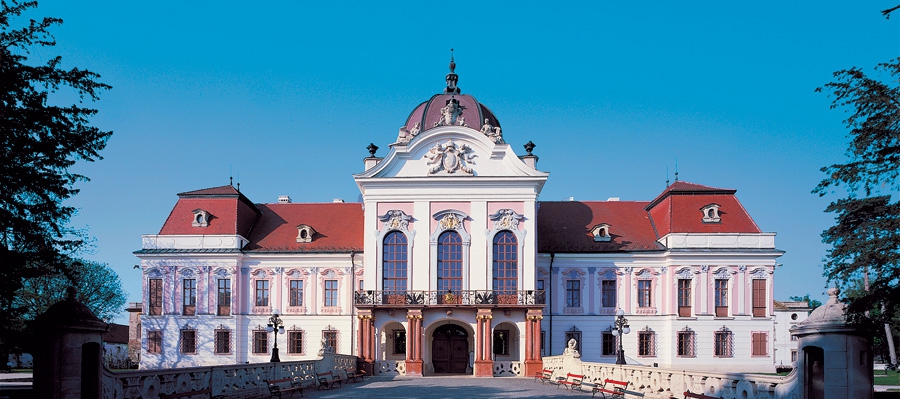
Around ten years ago I took some Chinese friends to the former royal castle in Gödöllö, near Budapest. We came upon a photo studio where you could dress up in costume from Queen Sisi’s era. My friends’ daughter, then around ten, donned the garb of a noble young lady; I dressed up as her governess. The photo was a hit, and recently it got into the hands of my three-year-old son. He wanted one too. The castle’s website informed us that the studio was still there. Off we went with my wife and my son.

1 Comment